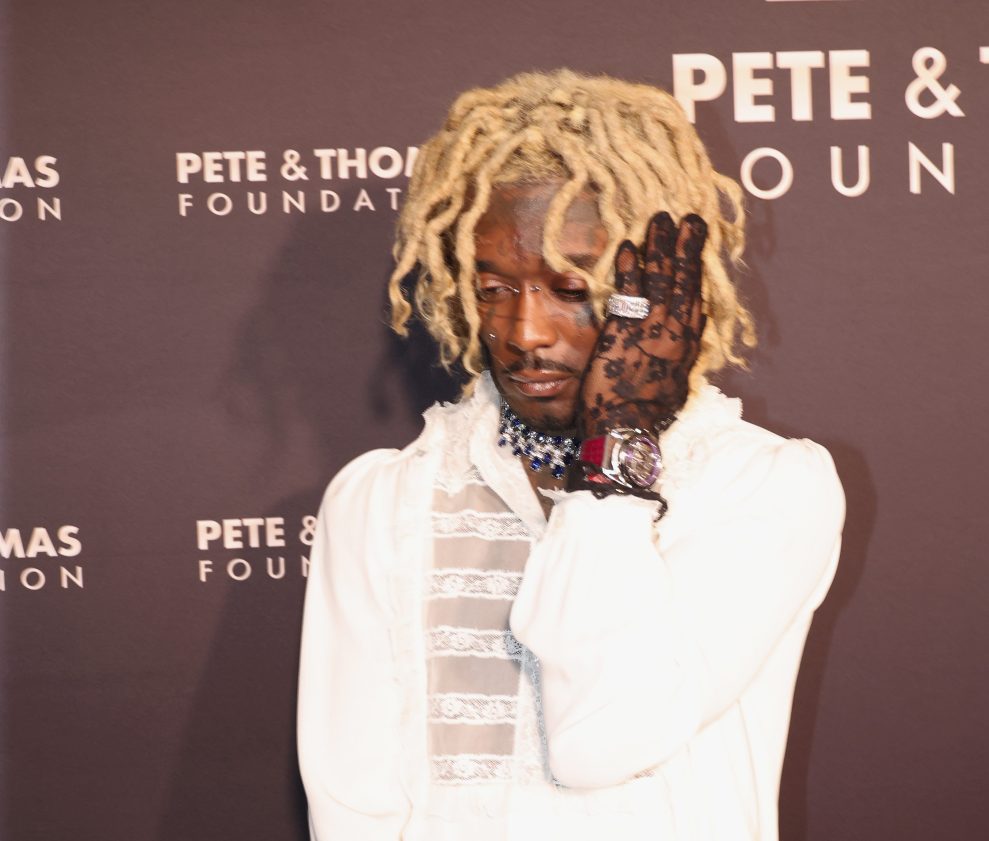
Lil Uzi Vert is facing a wave of legal trouble after keeping a relatively low profile for most of 2025. The Philadelphia rapper is now dealing with two lawsuits that surfaced within just a few days. One of them is a major copyright case filed by Rochester artist Rief Rawyal, who is demanding 110 million dollars in damages.
According to court documents, Rawyal claims Lil Uzi Vert’s 2022 hit “Just Wanna Rock” copied key elements from his song “Pain and Pleasure,” which was released a few months earlier. He says Uzi “copied the original hook, melody, and theme” and even took inspiration from the chant “When I rock ah ah.” A forensic musicologist, Brian McBrearty, analyzed both tracks and reportedly found a 93 to 97 percent similarity. His study found that the tempo, rhythm, structure, and lyrical phrasing around the word “rock” were nearly identical.
Rawyal’s lawsuit also points out that both songs share the same tempo range, drum pattern, and syncopation style known as “tresillo.” The lyrics in each record also follow a similar pattern, using first-person, present-tense statements that end with the word “rock.” These similarities, the lawsuit argues, make it clear that “Just Wanna Rock” was not an original creation.
In addition to the musical claims, Rawyal alleges that his social media posts about “Pain and Pleasure” were muted or taken down around the same time Uzi’s track began to go viral. He believes Uzi and Atlantic Records had access to his music through his previous collaboration with Lanre Gaba, an executive at the label. Rawyal says this connection created a direct path for his material to reach Uzi’s team.
The suit names Lil Uzi Vert, Atlantic Records, Generation Now, Roc Nation, and Warner Music Group as defendants. Rawyal is asking for publishing credit, shared ownership of the song, and compensation for lost revenue and reputation.
Leave a Reply