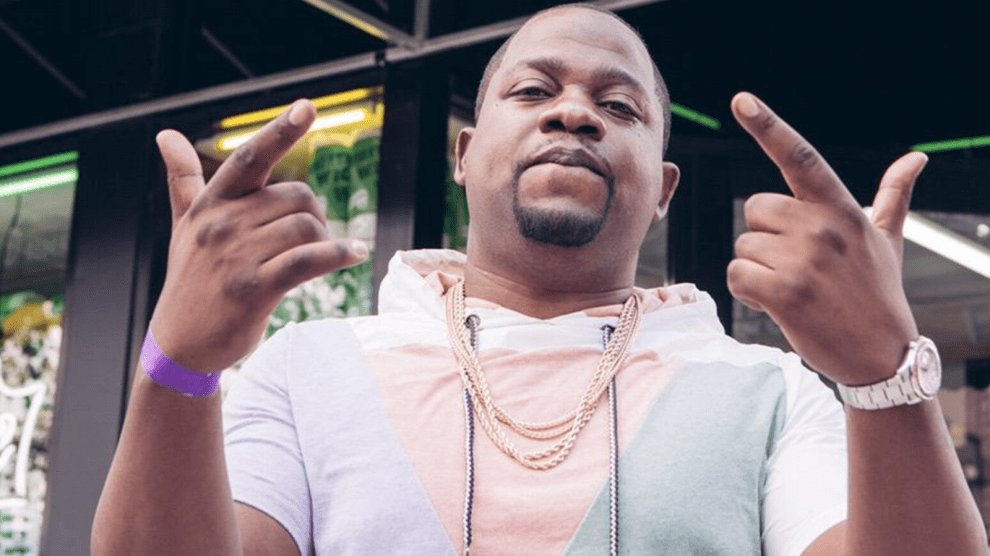
Posta Boy, the Harlem rapper whose sharp lyricism and televised freestyles helped usher battle rap into the mainstream, has died. He was 44.
His death on October 26 was confirmed by friends and fellow artists, including rapper Mickey Factz, who said Posta Boy had been battling cancer — the same illness he survived nearly 20 years ago. No official cause has been released.
Born Sherard Dixon on September 11, 1981, Posta Boy emerged from Harlem’s competitive hip-hop scene, sharpening his skills in neighborhood cyphers before rising to national attention. His breakthrough came in 2001, when he appeared on BET’s 106 & Park as the inaugural champion of its Freestyle Friday competition.
RIP Posta Boy
For seven straight weeks, he dismantled opponents with clever punchlines and unshakable composure, becoming the show’s first undefeated winner and earning induction into its Freestyle Friday Hall of Fame. His performances turned a network segment into a cultural event, proving that raw lyricism could thrive on television.
Posta Boy’s momentum carried him into the early 2000s hip-hop industry, where he briefly signed with Ruff Ryders before aligning with Sean “Diddy” Combs’ Bad Boy Entertainment. He appeared on DJ Envy’s Desert Storm Mixtape: Blok Party, Vol. 1 and collaborated with artists including Nelly, Clipse, Talib Kweli, and Raekwon. His unreleased song “Jurassic Harlem” became a cult favorite among fans who considered it one of the great lost singles of the era.
In 2006, Posta Boy revealed that he had undergone an 11-hour surgery after cancer spread to his liver. He later channeled the ordeal into his music, most notably in “God By My Side,” a song reflecting both his faith and resilience.
Though his visibility in mainstream rap declined, Posta Boy remained a fixture in Harlem’s creative community. He mentored emerging MCs, occasionally performed, and continued recording music on his own terms.
His impact, however, endures. Long before YouTube leagues and viral battles, Posta Boy made freestyle rap a televised phenomenon. His command of language, stage presence, and Harlem pride left a lasting mark — not only on battle rap, but on hip-hop’s sense of authenticity itself.
Leave a Reply