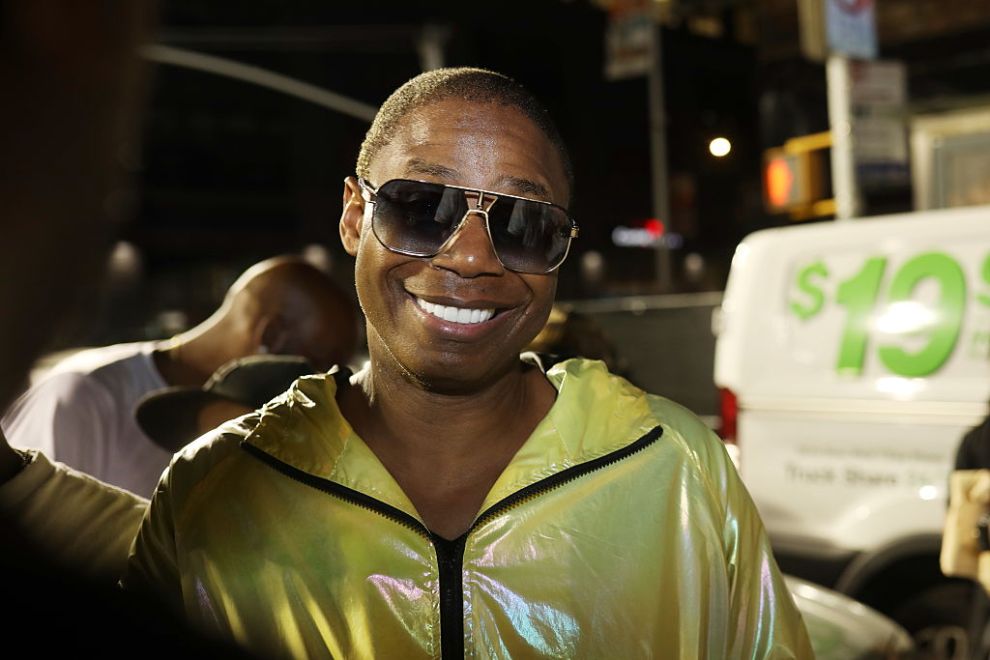
Doug E. Fresh is fighting to keep a piece of Harlem history from slipping away. CNYB‘s C.J. Hughes broke the news on the lawsuit on Monday (August 25).
The hip-hop pioneer, celebrated as the “Human Beatbox,” has filed a motion to block the foreclosure of a Harlem brownstone that has been tied to his family for nearly two decades. The move highlights not only his personal struggle but also the broader challenges facing homeowners who are battling banks in the wake of long-standing disputes over debt.
The property at 251 West 131st Street, a four-level brownstone, was originally purchased by his mother, Arlene Davis, in 2007. She financed the deal with a mortgage, but financial troubles soon followed.
Records show missed payment dates back to 2008. After Davis’s death in 2014, ownership transferred to Fresh, which began contesting the lender’s right to foreclose.
The dispute intensified when Deutsche Bank obtained a foreclosure judgment in 2023. The bank scheduled the property for auction in September 2024, setting the stage for a showdown between one of hip-hop’s most enduring figures and one of Wall Street’s biggest institutions. Fresh’s legal team immediately moved to halt the sale, arguing that the bank rushed the process and failed to meet basic standards of fairness.
According to court filings, Fresh contends Deutsche Bank never properly notified him of the proceedings. He also challenges whether the note was assigned lawfully, demanding a full accounting of the loan’s terms and the mounting interest charges. His attorneys stress that he acted in good faith, making partial payments and seeking modifications, only to be met with a bank unwilling to exhaust alternatives before auctioning the home.
The motion requests that the court void the foreclosure, arguing that the process unfairly punishes Fresh without providing a realistic opportunity to resolve the debt. Instead of losing the property outright, he seeks the opportunity to refinance or sell under more equitable conditions.
For Fresh, the case carries more than financial weight. The Harlem brownstone represents a personal legacy tied to both his family and his cultural roots. Losing it would echo a broader story of displacement and foreclosure that has reshaped historic Black neighborhoods across New York City.
Real estate observers note that the case underscores how banks often pursue foreclosure even when homeowners attempt to resolve the issue. Fresh’s fight spotlights the imbalance of power between lenders and individuals, especially in gentrifying areas where property values have soared.
As the court weighs the motion, Fresh holds onto hope that the brownstone can remain in his hands. The outcome will determine whether the Human Beatbox preserves a cornerstone of his Harlem identity or watches it be sold to the highest bidder.
Leave a Reply