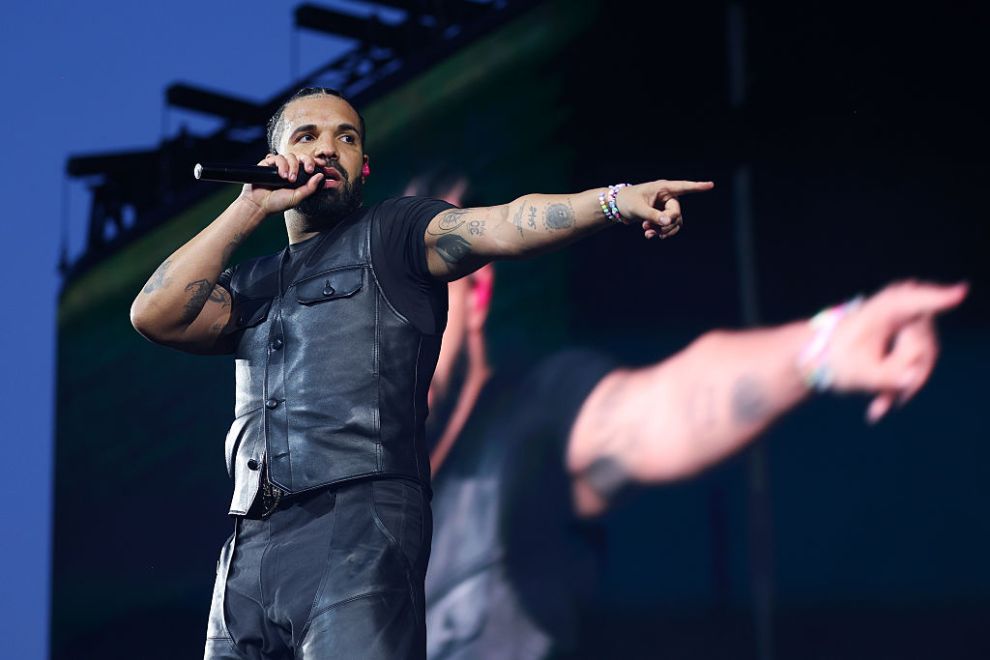
Drake isn’t backing down from his legal fight over Kendrick Lamar’s explosive diss track “Not Like Us.”
The Toronto rapper has officially filed a notice of appeal challenging a federal judge’s decision to throw out his defamation lawsuit against Universal Music Group (UMG).
The lawsuit stemmed from Lamar’s viral hit “Not Like Us,” which took aim at Drake during their heated feud earlier this year. In the song, Lamar accuses the “God’s Plan” rapper of serious misconduct, including inappropriate relationships with minors—claims Drake insists are completely false and damaging to his reputation.
Drake’s legal team argued that UMG, which distributed Lamar’s music, intentionally promoted the diss track despite knowing it contained “false and defamatory” statements. The complaint also accused the label of deceptive business practices, including the use of bots and payola to inflate the song’s streaming numbers.
On October 9, 2025, U.S. District Judge Jeannette A. Vargas dismissed Drake’s suit, ruling that the lyrics were protected artistic expression rather than factual statements. In her written decision, Vargas stated that a “reasonable listener” would not interpret a rap diss track as conveying literal truth.
“The broader context of a heated rap battle would not incline the reasonable listener to believe that ‘Not Like Us’ imparts verifiable facts about the plaintiff,” the judge wrote. She added that the song’s massive popularity or the label’s promotional efforts did not alter its artistic, opinion-based nature.
Drake has now appealed the ruling to the United States Court of Appeals for the Second Circuit. His lawyers maintain that UMG’s involvement went beyond standard promotion and that the label’s amplification of the track amounted to corporate defamation.
By appealing, Drake hopes to revive his claims and move the case forward into discovery and trial phases.
The case has sparked widespread debate over where the line lies between artistic expression and defamation in the music industry. Legal experts note that the outcome could set an important precedent for how courts handle defamation claims tied to creative works, especially in genres known for exaggerated, combative lyrics like hip-hop.
Leave a Reply